This article was machine-translated from the Korean original. Read the Korean original
Many people confuse the two concepts of rhythm and tempo in putting. I explained these two concepts separately in a previous video, so if you haven't seen it yet, I recommend watching that first. Today, I will show you how to actually practice these concepts.
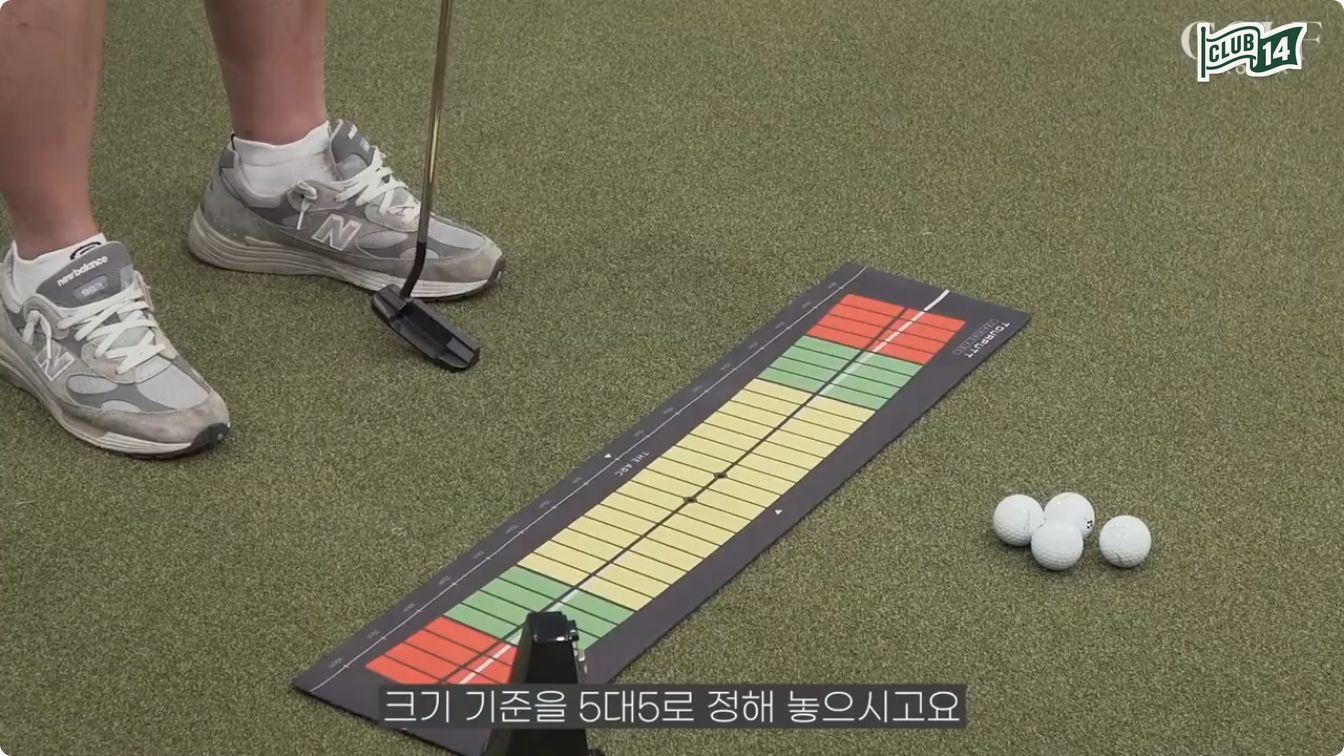
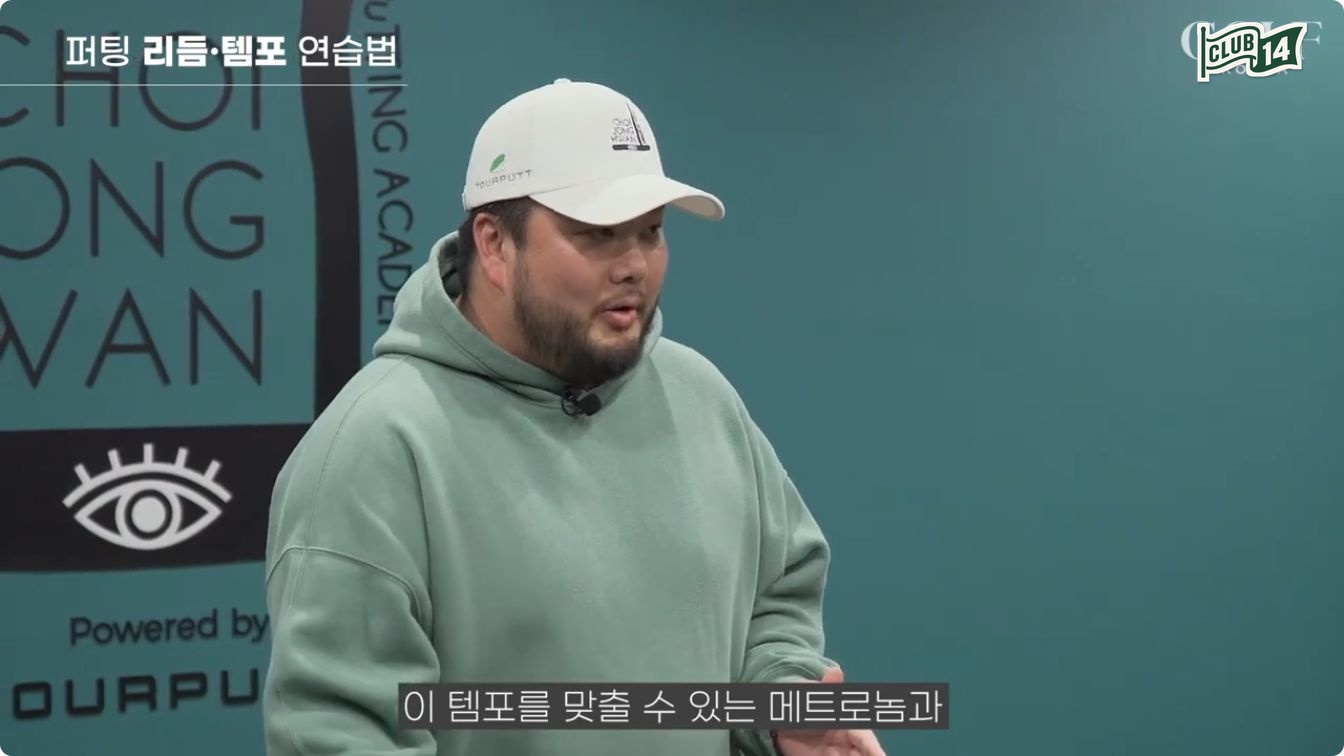
You need two standards for practice: a standard for stroke size and a metronome to keep time. I use an old-fashioned, classic metronome, but downloading a mobile app is sufficient.
0150/50, start on the first beat, end on the second beat
First, set the stroke size to 50/50. This means the backswing and follow-through are the same size. Next, timed to the metronome, try to start the stroke on the first beat and reach the finish position on the second beat. You are aligning the start and end with a "tick-tock."
02Rhythm is more important than tempo — the intention to maintain the same speed.
What is truly important here is not matching the tempo itself, but maintaining a good rhythm within it. A good rhythm is the result of playing with the intention of maintaining the same speed from the start to the end of the stroke.
It is easy to fall into a trap if you try to keep the beat alone. You might try to match the rhythm by taking a slow backswing and rushing the downswing, or conversely, by taking a fast backswing and slowing the follow-through. Neither is a good rhythm. The only thing we need to practice is keeping the beat with the intention of maintaining a consistent speed from start to finish.
03The standard tempo is 60bpm — adjust it to suit you.
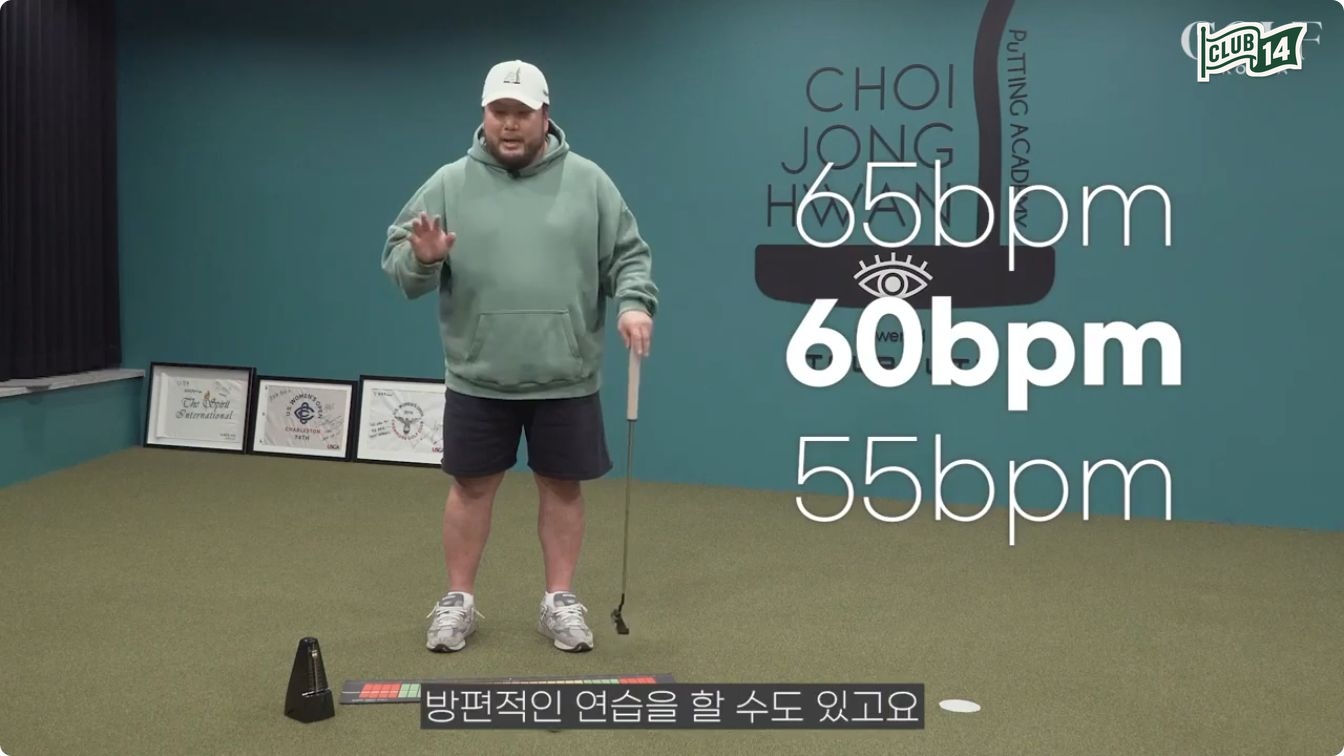
A metronome bpm of around 60 is generally recommended as a standard. However, you may need to adjust it depending on your tempo. If your usual tempo is too slow and needs correction, try setting it slightly faster to around 65; conversely, if you tend to play too fast and hastily and want to play more calmly, try practicing at around 55.
Today, I will show you how to practice at a standard tempo of 60 bpm. Start by getting used to the tempo without a ball, and then try hitting with a ball.
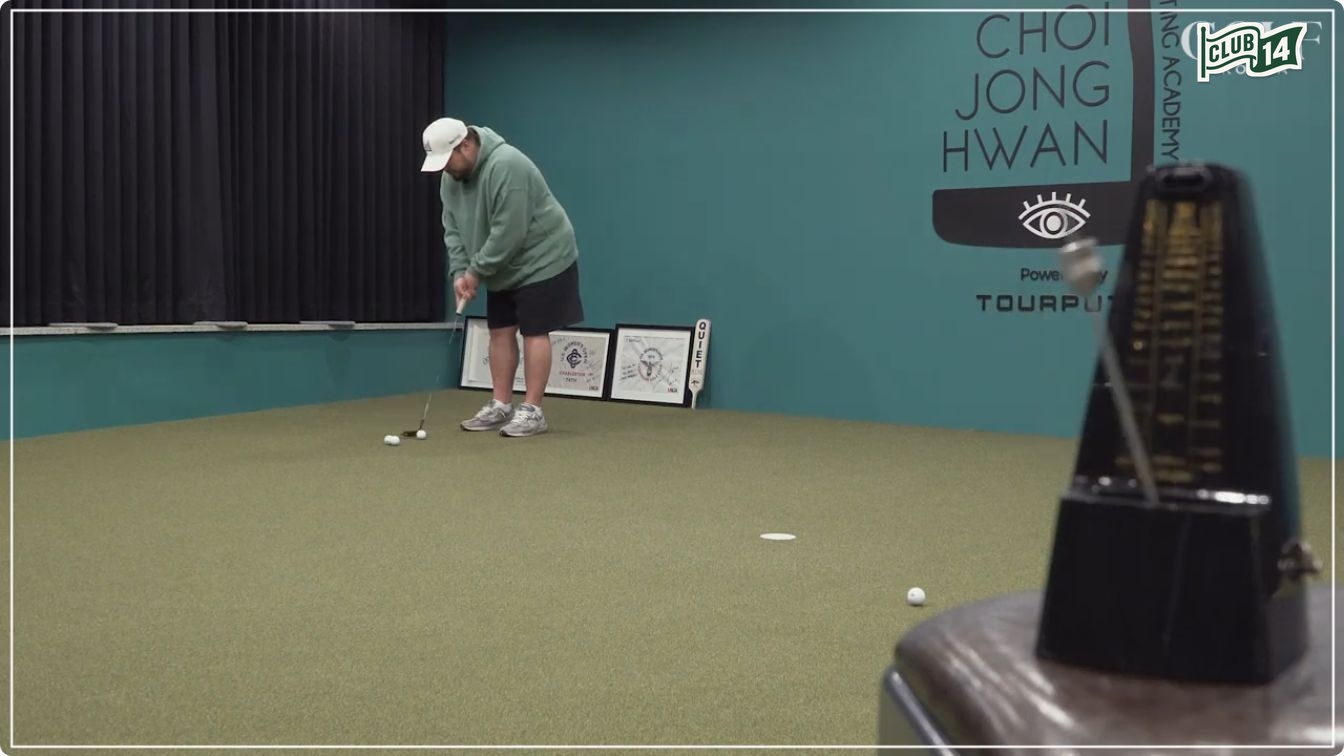

With just these two tools—a metronome and a size reference—you can practice rhythm anywhere. Match the beginning and end to the beat, and remember to maintain the same speed throughout. That is all there is to today's practice.